



How Play-Based Learning Supports Child Development
Play is one of the most effective ways children naturally explore the world around them. It encourages curiosity, creativity, communication, and problem-solving while making learning enjoyable and engaging.

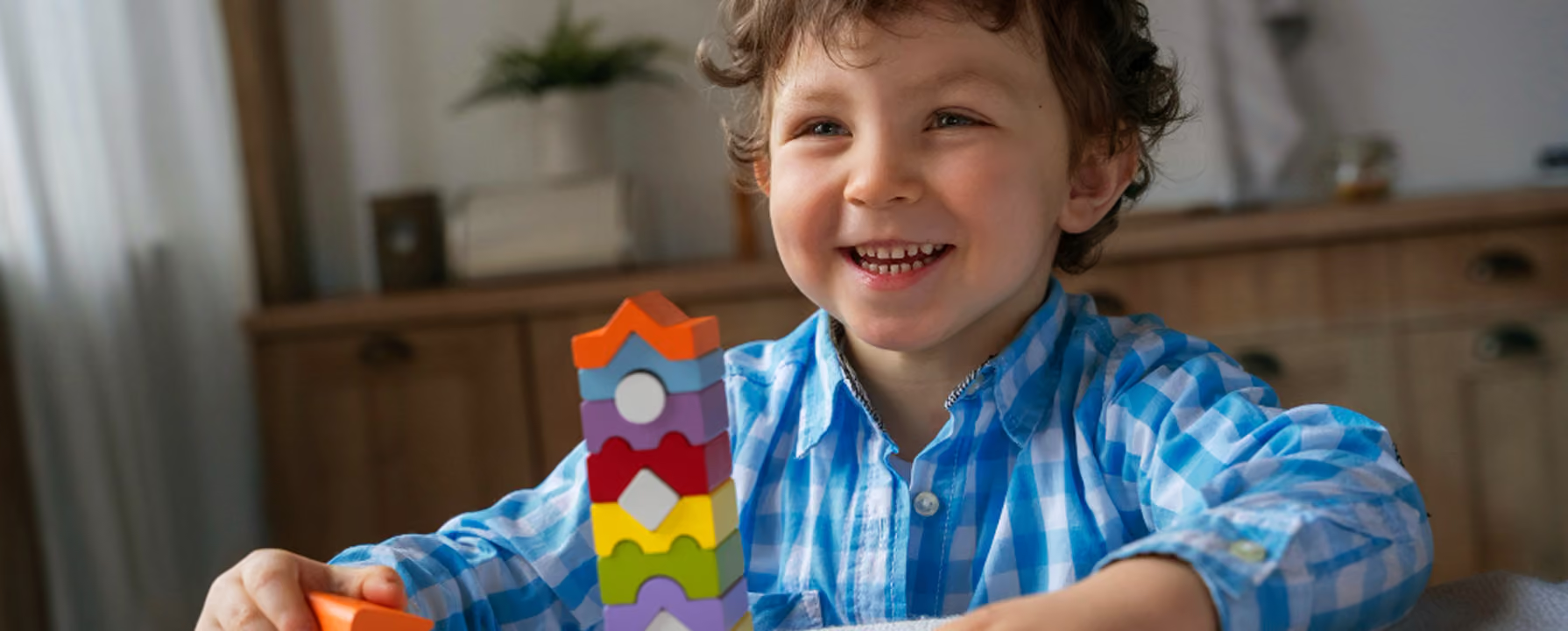
Why Children Learn Best Through Play
Play is one of the most effective ways children naturally explore the world around them. It encourages curiosity, creativity, communication, and problem-solving while making learning enjoyable and engaging.
Rather than separating learning from fun, play-based ABA therapy combines both to help children practice meaningful skills in motivating and rewarding ways.
Children are often more engaged when activities are built around their interests, allowing therapists to introduce new concepts while maintaining attention and enthusiasm.
Building Everyday Skills
Play supports far more than entertainment. It creates opportunities to strengthen language development, social interaction, emotional regulation, fine motor skills, and independent thinking.
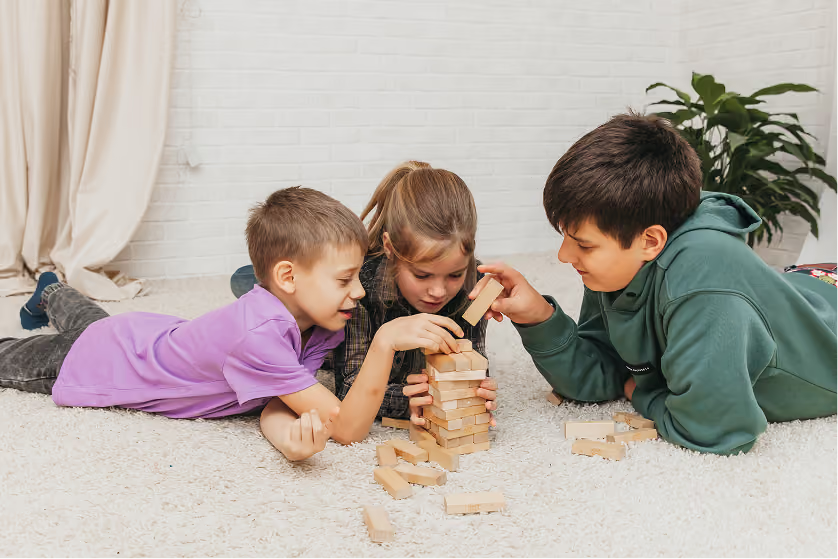
Simple activities like building blocks, pretend play, puzzles, and interactive games all encourage children to practice communication and problem-solving in real-life situations.
As confidence grows during play, children often begin transferring these skills into everyday environments like home, school, and community settings.
Small Moments Create Lasting Progress
Some of the biggest developmental gains begin with small moments—a successful interaction, trying something new, or completing an activity independently.
When children enjoy the learning process, progress becomes more meaningful and sustainable over time.
Our Latest Insights

Every Child Deserves Access To Quality ABA Therapy
Whether you're searching for providers, exploring financial assistance, or trying to better understand your insurance options, we're here to help you take the next step with confidence.